Rubbish removal near Hatch End station made simple
If you have ever tried to clear a flat, a side alley, or a cluttered office space near Hatch End station, you will know the awkward part is rarely the lifting. It is the planning. What can go, what needs specialist handling, how quickly it can be collected, and whether the whole thing will be done properly without turning your day upside down. That is where rubbish removal near Hatch End station made simple really matters. Done well, it saves time, reduces stress, and gets the waste gone without a long, messy process. Done badly, you end up with half-moved items, blocked access, or a last-minute scramble. This guide breaks everything down in plain English so you can make a sensible choice, whether you are clearing a single bulky item or a full property.
Contents
- Why it matters
- How it works
- Key benefits
- Who this is for
- Step-by-step guidance
- Expert tips
- Common mistakes to avoid
- Tools, resources and recommendations
- Law, compliance and best practice
- Options and comparison
- Case study
- Practical checklist
- Conclusion
- Frequently asked questions
Why Rubbish removal near Hatch End station made simple Matters
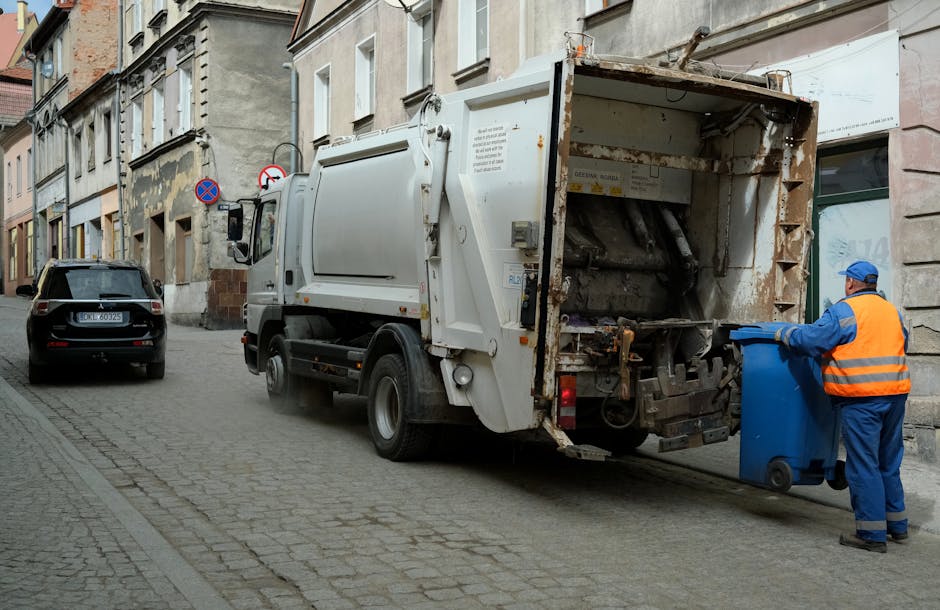
Local rubbish removal sounds straightforward until you start dealing with real life. A doorway that is just a bit too narrow. A Victorian staircase. Parking that disappears by late morning. A fridge that weighs more than you thought. Suddenly a "quick clear-out" is taking over the week. Making rubbish removal simple is not just about convenience; it is about removing friction from the whole job.
Near a station, there is also the practical reality of busy streets, pedestrians, and tighter loading windows. If waste is left outside too long, it becomes an eyesore and sometimes a nuisance. If it is not loaded efficiently, it can block access for neighbours or businesses. Nobody wants that, least of all on a damp Tuesday when everyone is trying to get on with their day.
For homes, landlords, letting agents, and local businesses, the goal is usually the same: clear the waste safely, quickly, and with minimal disruption. That may sound obvious, but the difference between a smooth collection and a messy one is often in the preparation. A good local service should understand access, timing, and the type of waste involved. It should feel organised, not chaotic.
Practical takeaway: simple rubbish removal is really about reducing effort at every step - from booking and access to lifting, loading, and responsible disposal.
How Rubbish removal near Hatch End station made simple Works
The process is usually much easier than people expect. In most cases, you do not need to drag everything to the kerb or sort every single item into separate piles. A professional team can often handle mixed loads, assess the job on arrival, and take the waste from where it sits. That is especially useful in flats, converted houses, and tight access properties.
Here is the basic flow most people go through:
- Describe the waste clearly. Tell the provider what you need removed, how much there is, and whether anything is heavy, fragile, or unusual.
- Share access details. Mention stairs, basements, limited parking, timed access, or any awkward lifting route. This saves time later.
- Get a quote or estimate. Some jobs can be priced from photos, while others need a quick on-site view. Be fair, no one wants surprise charges.
- Book a convenient slot. For local collections, timing can matter more than people think, especially if you are juggling tenants, trades, or delivery windows.
- Load and remove. The team should remove the waste, check what can be recycled, and leave the area tidy.
- Dispose responsibly. Proper waste handlers separate materials where possible and manage special items through the correct channels.
In the middle of this, good communication makes everything smoother. If your sofa is wedged in a first-floor lounge or the builders' rubble is spread across a drive, say so. It is better to overshare a little than to leave out the awkward bit and find out on the day. That's usually when the headaches start.
If you are dealing with mixed household waste, you may also want to look at general waste removal alongside more specific services such as furniture clearance or house clearance. For commercial premises, business waste removal is often the better fit.
Key Benefits and Practical Advantages
The main benefit is obvious: less hassle. But there is more to it than that. A well-run collection service can actually protect your time, your property, and your peace of mind.
- Speed: You can often clear bulky or mixed waste faster than arranging multiple trips to a tip.
- Less physical strain: Heavy lifting, awkward carrying, and stair work are handled for you.
- Cleaner finish: A proper team should leave the area swept and ready for use.
- Better disposal outcomes: Reusable or recyclable materials can be separated rather than dumped together.
- Reduced disruption: This matters a lot near transport links, where people are coming and going all day.
- More flexibility: You can usually book around your own timetable rather than the other way round.
There is also a quieter benefit people often overlook: decision fatigue disappears. If you have been staring at a garage full of old chairs, broken shelves, and a pile of boxes for months, the emotional relief of seeing it gone is real. Not dramatic, just honest. The room feels bigger. The house breathes again.
When a job includes specialist items, using the right service matters even more. For example, fridge and appliance removal is usually best handled separately from ordinary rubbish, while mattress and sofa disposal can be ideal for bulky household items that are difficult to move safely.
Who This Is For and When It Makes Sense
This kind of service suits far more people than you might think. It is not just for major clearances or building projects. In fact, the smaller jobs are often the ones people put off longest because they seem "not worth it". Then a year passes. Funny how that happens.
You may need rubbish removal near Hatch End station if you are:
- moving out of a flat or house
- clearing a rented property between tenancies
- emptying a loft, garage, or basement
- getting rid of furniture after a refurbishment
- tidying a garden after landscaping or seasonal work
- disposing of office clutter, archive waste, or old furniture
- managing builders' waste after repairs or renovation
- handling a one-off bulky item that will not fit in a normal bin
It also makes sense when the job needs doing quickly. Maybe the cleaner is coming tomorrow. Maybe the landlord has given a deadline. Maybe the new sofa is arriving and the old one needs to go, preferably before the front room becomes a furniture obstacle course. In those cases, simplicity is not a luxury; it is the whole point.
For more specific scenarios, the right page can save time too. A flat clearance near a station can be a completely different job from a loft or garage job. Useful related services include flat clearance, garage clearance, loft clearance, and garden clearance.
Step-by-Step Guidance
If you want the process to go smoothly, do not start with the van. Start with the room. A little preparation makes a surprisingly big difference.
- Walk the space first. Identify what is definitely going, what is staying, and what is still under discussion. A half-made decision causes delays.
- Group items roughly by type. Put furniture together, bag loose waste, and separate anything that looks unusual or potentially hazardous.
- Check access paths. Measure tight doorways, note stairs, and clear any obstruction that could slow lifting.
- Take photos if helpful. This is especially useful for quotes and for larger mixed clearances.
- Ask about restricted items. If you have chemicals, paint, batteries, or other risky materials, flag them early.
- Confirm arrival details. Know who is meeting the team, where they should park if possible, and how they will gain access.
- Keep paperwork handy. For business premises or managed properties, make sure the right person can approve the work.
A small but useful point: if you are clearing a property in stages, do the obvious items first. Old furniture, broken storage, bags of mixed rubbish - these give you immediate space and make the rest easier. Then reassess. You will usually see the job differently once the room has opened up a bit.
If the waste includes office materials or sensitive paperwork, you may also need confidential shredding. For trades and refurb jobs, builders waste clearance is the more appropriate route.
Expert Tips for Better Results
After enough clearances, a few patterns show up. The jobs that run best tend to have the same habits in common.
1. Be honest about the volume.
People often understate how much waste they have. It is understandable. You do not want to sound like you are asking for a lorry to remove three bags and an old stool. But if you shrink the job too much, the quote or timing may be off.
2. Mention difficult items early.
Mattresses, appliances, large wardrobes, heavy filing cabinets, and awkward glass pieces can all affect how the job is planned. Better to say it upfront than make it a surprise on the doorstep.
3. Think about parking before the day.
Near stations, parking and loading can be the hidden challenge. If there is a narrow road, permit restrictions, or limited stopping time, that needs to be part of the plan.
4. Separate the truly specialist waste.
Some items need specific handling. If you have a fridge, freezer, paint, solvents, or anything that looks potentially hazardous, treat it separately. For those situations, the right route might be hazardous waste disposal rather than ordinary rubbish removal.
5. Ask about recycling and reuse.
A reputable clearance process should aim to divert useful materials from landfill where practical. That does not mean everything can be reused, of course. But if chairs, metal, cardboard, timber, or appliances can be recovered safely, that is the better outcome.
6. Keep the space clear for loading.
It sounds tiny, but it helps. Move fragile items, open doors, and create a direct path from the waste to the exit. One clear route can save a lot of shuffling around.
And yes, there is one more thing. If you are trying to clear a property while also keeping the place liveable, do not aim for perfect order. Aim for workable order. That is usually enough.
Common Mistakes to Avoid
The biggest mistake is treating rubbish removal like a bin collection. It is not. A professional clearance job is part logistics, part lifting, part sorting. A few avoidable errors can make it slow or more expensive than necessary.
- Waiting until the last minute: This is especially risky if you have a deadline or access window.
- Hiding awkward items: If you forgot to mention the sofa bed in the corner, the quote may need adjusting.
- Mixing ordinary waste with special waste: Hazardous or electrical items often need separate handling.
- Assuming everything can go in one load without checking: Not all materials are treated the same way.
- Forgetting access issues: A job that looks simple on paper can become tricky with narrow stairs or poor parking.
- Ignoring the finish: A proper job should not leave you with scattered debris and dust trails down the hall.
There is also a mental mistake people make: they assume a little mess is harmless because it is "only temporary". Then the temporary mess becomes the permanent one. It happens all the time. Truth be told, clutter has a way of breeding in the corners.
If you are dealing with home contents rather than general rubbish, related services such as home clearance and furniture disposal can be more suitable than a one-size-fits-all approach.
Tools, Resources and Recommendations
You do not need specialist equipment to prepare for a clearance, but a few basic tools make life easier. Nothing fancy. Just practical stuff.
- Heavy-duty bin bags: Useful for loose waste, textiles, and small mixed items.
- Marker tape or labels: Helps mark what should stay and what should go.
- Gloves: Handy if you are sorting through dusty lofts or garages.
- Basic measuring tape: Useful for checking sofa width, appliance clearance, or stair turns.
- Phone camera: Great for taking before-and-after photos or sending item images for a quote.
- Cardboard boxes: Good for separating reusable items from genuine rubbish.
For people comparing service types, it can help to understand the difference between waste removal, clearance, and disposal. Waste removal is the broad umbrella. Clearance usually refers to clearing spaces like homes, offices, lofts, or garages. Disposal can be item-specific, such as mattresses, sofas, or fridges. The wording matters less than the outcome, but it helps to know what you actually need.
If you are unsure whether a skip is appropriate, it may be worth comparing your waste type against the guidance on what can go in a skip. For some jobs, skip-style planning makes sense; for others, an on-site loading service is far easier, especially where access is tight.
Law, Compliance, Standards, or Best Practice
Waste handling in the UK should be treated carefully. You do not need to become a legal expert to book a removal, but it helps to know the basics. Waste should be collected, carried, and disposed of by a provider that follows proper practice and takes responsibility for where materials end up.
For householders, the main concern is simple: do not hand waste to anyone who seems vague about disposal. If someone offers a suspiciously cheap service but cannot explain what happens to the rubbish, that is a red flag. Let's face it, cheap and careless is rarely a good combination here.
For businesses, the bar is higher. You may need a clearer paper trail, better scheduling, and a more structured approach to mixed commercial waste. Offices often need extra care for paperwork, screens, and confidential materials. In such cases, services like office clearance and confidential shredding can sit alongside the main removal.
Best practice usually includes:
- clear communication about waste type
- separating hazardous or specialist items
- using appropriate lifting methods and protective equipment
- keeping access safe for residents, staff, and neighbours
- seeking recycling or reuse where feasible
- confirming terms before work begins
If the job involves construction debris, check that it is being treated as builders' waste rather than ordinary domestic rubbish. If it involves appliances or bulky furnishings, make sure those items are handled properly rather than bundled in blindly with mixed waste.
It is also worth looking at the provider's internal policies around health and safety, insurance and safety, payment and security, and recycling and sustainability. Those pages tell you a lot about how seriously the operation is run, even before anyone turns up.
Options, Methods, or Comparison Table
There is more than one way to clear waste near Hatch End station. The best method depends on volume, access, item type, and how quickly you need the area clear. Here is a simple comparison to help.
| Method | Best for | Pros | Limitations |
|---|---|---|---|
| Man and van style collection | Mixed household waste, furniture, smaller clearances | Flexible, quick, often good for awkward access | May not suit very large volumes |
| Skip hire | Projects with steady waste generation, DIY jobs | You can fill it over time | Needs space, permits may be relevant, loading is your responsibility |
| Dedicated clearance team | Full-room, flat, garage, loft, or office clearances | Less work for you, lifting included, faster tidy-up | Needs clear access and a defined scope |
| Specialist item disposal | Appliances, mattresses, sofas, hazardous items | More appropriate handling for restricted items | May require separate booking or collection plan |
In practical terms, if the waste is sitting in a flat above ground level or tucked down a narrow walkway, a clearance team is often the simplest answer. If you are doing a long DIY project and can store waste safely on-site, skip hire may make sense. If you only have one or two bulky items, a targeted disposal service is usually enough.
Case Study or Real-World Example
Here is a realistic example. A tenant moves out of a first-floor flat near the station and leaves behind two wardrobes, a mattress, several bin bags, and a dismantled desk. The landlord needs the place ready for new photos within a couple of days. Nothing extreme, but enough to be annoying.
The sensible approach is simple. First, the landlord lists the items and explains the access: one narrow stairwell, limited outside stopping space, and no lift. Second, the team is told that the mattress is bulky and the desk is partly broken down. Third, the collection is booked for a time when parking pressure is usually lighter. On arrival, the items are removed from the flat in one organised visit, the room is left clearer, and the landlord can move straight on to cleaning and re-letting.
What made that job successful was not brute force. It was clarity. Clear photos, clear access notes, and a clear understanding of what had to go. That is the pattern in most smooth jobs, honestly.
A similar process works for family homes too. A garage full of old paint tins, broken furniture, and seasonal junk looks intimidating until the first layer disappears. Then the rest becomes obvious. One bag, one shelf, one corner at a time. Simple is a process, not a slogan.
Practical Checklist
Use this checklist before your collection. It keeps the day calm and prevents easy mistakes.
- Identify exactly what needs removing
- Separate anything valuable, personal, or sentimental
- Check for special waste such as fridges, chemicals, or sharp items
- Take photos if the job is large or mixed
- Note access issues, stairs, and parking restrictions
- Clear a route from the waste to the exit
- Confirm who will meet the team on the day
- Ask about recycling, disposal, and any restricted items
- Make sure any important paperwork is kept aside
- Allow a little breathing room in case the job takes longer than expected
If you can tick most of those off, you are in very good shape. It does not need to be perfect. Just prepared enough.
Conclusion
Rubbish removal near Hatch End station made simple is really about cutting through the noise. You want the waste gone, the space cleared, and the job handled without unnecessary faff. Whether you are dealing with household clutter, business waste, a few bulky items, or a full property clear-out, the same principles apply: describe the job clearly, plan access carefully, and use the right disposal route for the waste type.
When the process is organised well, it feels surprisingly light. The room looks better, the pressure drops, and the next task becomes possible. That is usually the point where people say, "Why didn't we do this sooner?" Fair question.
If you want a smoother, less stressful clear-out, start with the basics, ask the right questions, and choose a provider that treats the job like a proper project rather than a rush-and-go pickup.
Get a free quote today and see how much you can save.
Frequently Asked Questions
What counts as rubbish removal near Hatch End station?
It usually includes the collection and disposal of general household waste, bulky items, mixed junk, unwanted furniture, and similar materials from homes or businesses in the area. The exact scope depends on the provider and the type of waste involved.
Do I need to move everything outside before collection?
Not always. Many clearance services will remove items from inside the property, which is a big help in flats, upper floors, and homes with tricky access. It is still useful to clear pathways first where possible.
Can I mix furniture, bagged waste, and broken household items together?
Usually yes, within reason. Mixed loads are common. That said, specialist items such as fridges, hazardous waste, or confidential paperwork may need separate handling.
How do I know whether I need clearance or skip hire?
If you want someone to do the lifting and loading, clearance is often easier. If you are generating waste over several days and have space for a container, skip hire may suit better. Access, timing, and waste type usually decide it.
What if my property has narrow stairs or difficult parking?
Tell the provider in advance. Good access information helps the team plan properly and avoids delays. Near a station, this can matter a lot more than people expect.
Are there items that should not go in ordinary rubbish removal?
Yes. Things like paint, chemicals, batteries, and some electrical or refrigerant items may need specialist handling. If you are unsure, ask before booking.
Can rubbish removal help with a full house clearance?
Absolutely. A full house clearance is one of the most common reasons people book this type of service. It is especially useful when time is short or the property contains a lot of bulky furniture.
How quickly can a local rubbish removal job usually be done?
That depends on the amount of waste, access, and the time of booking. Smaller jobs can be very quick, while larger clearances may take longer. The key is to give accurate details from the start.
Is it worth using a specialist service for sofas, mattresses, or appliances?
Yes, usually. Those items are heavy, awkward, and often better handled through specific disposal services. It keeps the main clearance simpler and safer.
What should I ask before booking a collection?
Ask what is included, whether lifting is part of the service, how specialist waste is handled, whether recycling is considered, and how payment works. A clear answer is always a good sign.
Can a rubbish removal team handle office waste too?
Yes, many can. Office waste may also involve shredded paperwork, furniture, electronics, or general clear-out items. For that, a dedicated office clearance or business waste approach is often best.
What is the biggest mistake people make with rubbish removal?
Underestimating the job. People often forget access issues, special items, or how much waste there actually is. A little preparation saves a lot of stress later on.
Useful next step: if you are comparing options, review the relevant service pages, check the pricing and recycling approach, and choose the route that matches your waste rather than forcing everything into one category.