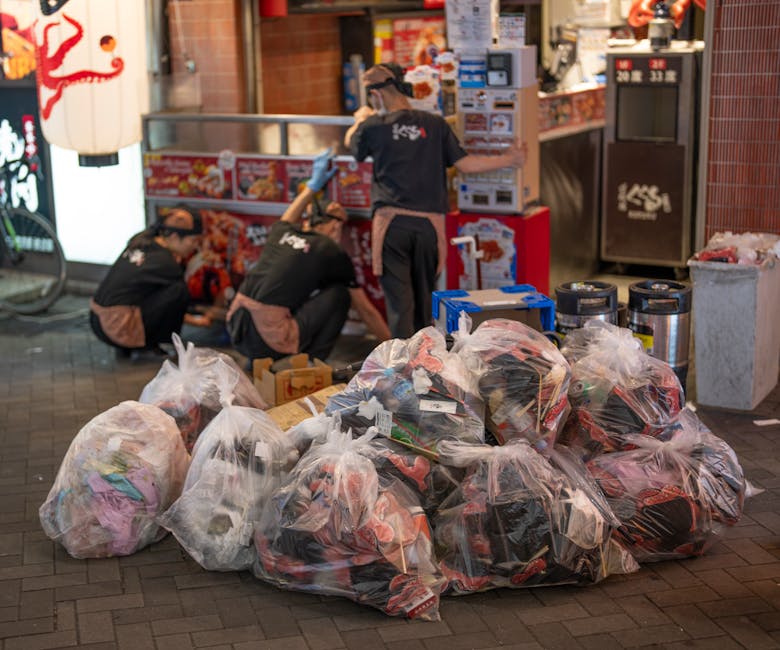
Hatch End Business Rubbish Removal Services for Shops: A Practical Guide for Retailers
If you run a shop, you already know that rubbish has a habit of building up quietly and then all at once. One delivery day, a bit of packaging, a broken shelf, an old fridge in the back, a pile of cardboard after a busy weekend... and suddenly the stockroom feels smaller than it should. That is where Hatch End business rubbish removal services for shops can make life a lot easier. Done well, it keeps your premises safer, tidier, and more presentable, while saving your team from spending half a morning wrestling with waste bags and bulky items.
This guide explains how shop waste removal works, what it is useful for, what to watch out for, and how to choose a practical, reliable approach. It is written for real shop owners, managers, and staff in and around Hatch End who need a service that fits into the rhythm of retail rather than disrupting it. Let's face it, no one wants a clearance job turning into a small drama.
Why Hatch End business rubbish removal services for shops Matters
Retail waste is rarely just "rubbish". It is packaging from deliveries, broken display units, old point-of-sale materials, outdated stock, damaged shelving, worn furniture, and sometimes confidential paperwork or specialist items that cannot simply go into a normal bin. A shop that stays on top of removal tends to look calmer, run smoother, and feel more professional to customers. You notice it the moment you walk in.
For local shops in Hatch End, waste removal also matters because space is precious. Back rooms are often tiny, storage areas fill up fast, and a single backlog of cardboard can get in the way of stock rotation or safe access to emergency exits. A cluttered stockroom can become a trip hazard, and that is not just inconvenient. It affects staff confidence, workflow, and sometimes compliance.
There is also the customer experience. A shopfront might be spotless, but if there are black bags stacked near the entrance or old fittings waiting to be cleared, the whole place feels less polished. People do notice these things, even if only subconsciously. A tidy premises says: we are organised, we care, and we are ready for business.
For many retailers, a managed clearance service is not about "getting rid of junk" in the loose sense. It is about creating breathing room. That sounds simple, but it has real commercial value. More space, fewer delays, less stress. Quite a useful trio.
How Hatch End business rubbish removal services for shops Works
The process is usually straightforward, but the best services keep it flexible. Shops rarely operate like offices with predictable desk waste. Retail has peaks, deliveries, seasonality, and awkward items that appear out of nowhere. A practical removal service should account for that.
In most cases, the process begins with a quick assessment of what needs clearing. That may happen over the phone, by message, or through photos. The aim is to understand volume, item type, access, and any special handling needs. For example, a shop may need regular cardboard uplift but also a one-off removal of a damaged counter or old display cabinet.
On the day, the team usually arrives, loads the waste from the shop or rear access point, and clears it away for sorting and disposal. Depending on the provider, items may be separated for recycling, reuse, or specialist disposal. If you are dealing with electricals, refrigeration units, or anything potentially hazardous, the handling needs to be more careful. There is no shortcut worth taking there.
A good service is designed to minimise interruption. Many shop owners prefer early morning, late evening, or quieter trading windows. That is one of the biggest advantages over trying to manage removal in-house. You keep serving customers while someone else deals with the awkward bits.
For broader business waste needs beyond one-off shop clearances, it can help to look at business waste removal support as part of a more consistent system, especially if you generate regular waste streams alongside occasional bulky items.
Key Benefits and Practical Advantages
The main benefit is obvious: less clutter. But the practical gains go further than that.
- Better use of space: stockrooms, corridors, and delivery areas stay usable.
- Safer working conditions: fewer trip hazards, blocked routes, and unstable piles of packaging.
- Cleaner presentation: customers see a more professional, organised shop.
- Less staff time spent on waste: your team can focus on selling, serving, and restocking.
- More reliable disposal: items are handled in a structured way rather than left to accumulate.
- Better handling of specialist waste: some items need separate treatment, and that is where experience matters.
There is another benefit people sometimes overlook: peace of mind. It is easier to manage a shop when you know the clearance side is under control. No one likes that background worry of "we really should deal with that pile soon". It sits in the corner of your mind and gets in the way.
Shops with limited storage feel the difference most sharply. A small boutique, a convenience shop, a salon retail area, or a local independent can all benefit from regular removal. Even a modest amount of waste, if left unchecked, can crowd the place out by Friday afternoon.
For items such as unwanted office chairs, display units, or reception furniture, you may also find it useful to explore related office clearance options when the job involves both retail and back-office spaces.
Who This Is For and When It Makes Sense
This service suits a wide range of shop types. In practical terms, if you sell goods, manage deliveries, use stock storage, or regularly replace fixtures, you are probably a good candidate for professional clearance support.
Typical examples include:
- Independent high street shops
- Convenience stores and local grocers
- Fashion and footwear retailers
- Pharmacies and health-focused shops
- Beauty and cosmetics retailers
- Gift shops and homeware stores
- Electrical and appliance sellers
- Pop-up retail units
- Multi-use premises with a shopfront and stockroom
It also makes sense when you are planning a refit, seasonal reset, or end-of-lease handover. Those moments often produce a mix of waste types: packaging, old shelving, damaged displays, and items that were perfectly fine last month but now need to go. Truth be told, the timing matters almost as much as the waste itself.
If your waste is mostly regular black bag waste, you may not need a bulky clearance every time. But if you are dealing with mixed waste, large items, or clearance after a busy changeover, a dedicated service saves a lot of effort. For stores with recycling-heavy waste, it can also pair well with a sustainability-led approach, which many customers notice and appreciate.
Step-by-Step Guidance
If you have never booked a shop clearance before, the process becomes much easier when you break it into simple steps.
- Identify the waste types. Separate cardboard, general waste, electrical items, fixtures, and anything potentially hazardous.
- Estimate the volume. You do not need to be exact, but a rough idea helps with planning and pricing.
- Check access. Think about parking, rear entrances, loading points, stairs, narrow doorways, or shared premises.
- Choose a suitable time. Early morning or after closing is often best for retail spaces.
- Remove sensitive material first. If there are documents or data-bearing items, deal with them securely before the clearance.
- Confirm what can and cannot be taken. Specialist items may need separate handling.
- Book the collection. If the service offers online booking, use it where convenient, or speak directly if the job is more complex.
- Prepare the site. Keep items grouped together if possible, so the team can work efficiently.
- Carry out a final walk-through. Check corners, back storage, under counters, and around fittings. The forgotten bits are always the awkward ones.
One practical tip: if your shop receives regular deliveries, try to schedule clearance on a day when the stockroom is naturally a bit quieter. You will save time and reduce the chance of items being moved twice.
For waste that includes cardboard, packaging, or mixed non-hazardous items, it may also help to compare what belongs in a skip using this guide to skip-appropriate materials. Even if you are not hiring a skip, it gives you a decent sense of what is usually acceptable versus what needs separate treatment.
Expert Tips for Better Results
The difference between a decent clearance and a genuinely smooth one often comes down to preparation. Here are a few habits that make life easier.
- Group waste by type before the team arrives. Cardboard with cardboard, fixtures with fixtures, electricals apart from general rubbish.
- Label anything uncertain. A quick note on a box can prevent confusion later.
- Protect customer-facing areas. If waste has to move through the shop floor, lay out a clear route first.
- Check for hidden items. Behind tills, in under-counter storage, and on top of cabinets are common hiding places for unwanted clutter.
- Keep an eye on recurring waste. If the same problem keeps coming back, it may need a different process rather than another one-off clear out.
One thing I always tell shop owners: do not wait until the back room looks like a game of Jenga. Once waste starts leaning, blocking, or getting damp, everything becomes harder to move. And yes, that cardboard smell after a wet week in London can be... memorable.
If your shop includes a back office, add secure document handling into the plan. Sensitive paperwork should not just be folded into mixed waste and hoped away. If that is part of your needs, confidential shredding support is the cleaner route.
Common Mistakes to Avoid
Most problems with shop rubbish removal are avoidable. The tricky part is that they often feel small right until they become expensive or inconvenient.
- Leaving waste too long: what starts as a manageable pile can become a blocked fire exit or a pest attraction.
- Mixing everything together: mixed loads can be harder to sort and may slow the job down.
- Forgetting about access: a van cannot magic its way through a locked delivery gate.
- Ignoring specialist items: fridges, freezers, and certain appliances need specific handling.
- Not checking insurance and safety arrangements: if items are heavy or awkward, this matters.
- Only planning for the obvious waste: old fixtures, packaging straps, broken baskets, and under-counter clutter all add up.
Another common one is assuming every provider can take everything. They cannot. That is normal. But you want the limits explained clearly before the day of collection, not after the team has already arrived and everyone is standing around with a shrug.
For appliance-related waste, you may want to plan separately for fridge and appliance removal, especially if the item is bulky, heavy, or part of a fit-out change.
Tools, Resources and Recommendations
You do not need a complicated toolkit to manage shop waste well. In fact, simple usually wins.
Useful practical items include sturdy bin bags, cardboard stacks tied or boxed neatly, a marker pen for labelling, gloves for basic sorting, and a simple waste log for recurring items. If the same category keeps appearing every week, make a note of it. Over a month, those notes reveal patterns. Maybe packaging is arriving in oversized boxes. Maybe a supplier is over-delivering. Maybe the stockroom layout needs adjusting. Small changes, big relief.
It is also worth keeping a basic waste decision checklist near the back room. A manager or shift lead should be able to answer these questions quickly:
- Is this general waste, recyclable material, or a specialist item?
- Can staff move it safely, or does it need a collection team?
- Does it contain confidential information or electrical components?
- Will it block access if left here overnight?
If you are comparing service levels, pricing transparency matters too. A reliable provider should be able to explain the scope clearly. If you want to understand how charges are framed, take a look at pricing and quote information before you book anything. That gives you a more grounded basis for comparing options.
And if you want to know more about the company behind the service, the about us page can help build confidence before you hand over access to your premises.
Law, Compliance, Standards, or Best Practice
For shop owners, waste handling is not just a housekeeping issue. In the UK, businesses have a duty to manage their waste responsibly, and that includes making sure it is stored safely, transferred properly, and handed to a suitable carrier. The exact obligations depend on the type of waste and the circumstances, so it is wise to stay alert rather than casual about it.
At a practical level, best practice usually means:
- Keeping waste secure and tidy on-site
- Separating recyclable and specialist items where possible
- Avoiding overfilled bins and unsafe stacking
- Using a provider that understands business waste handling
- Keeping records where appropriate for your own compliance management
Some waste streams need extra care. Electrical items, refrigeration units, and anything potentially hazardous should not be treated like ordinary rubbish. Staff safety matters too. Heavy lifting, sharp edges, and unstable loads can all cause trouble if handled badly. This is where sensible planning beats rushed improvisation every time.
If your business has a formal health and safety process, it helps to align clearance work with it. That way, waste removal becomes part of your operational routine rather than an afterthought. You can also review the provider's health and safety policy and insurance and safety information to see how they approach risk in real work conditions.
For environmentally minded retailers, it is also reasonable to ask how items are sorted after collection. A provider with a clear recycling and sustainability approach can help you align waste management with your own values, and customers do notice that kind of thing.
Options, Methods, or Comparison Table
Shops usually have three main ways to handle rubbish removal: manage it in-house, use a skip, or book a collection service. Each has a place, depending on volume, access, and the type of waste involved.
| Method | Best for | Pros | Limitations |
|---|---|---|---|
| In-house handling | Very small, routine waste | Simple for basic bin waste | Consumes staff time; unsuitable for bulky items |
| Skip hire | Larger refurb jobs and outdoor access | Good for volume; can stay on site | Needs space, loading time, and careful waste sorting |
| Business rubbish removal service | Mixed shop waste, bulky items, quick clearances | Fast, flexible, less disruption | May need planning for specialist items |
For many shops, the removal service is the sweet spot. It is especially useful if you do not have room for a skip, if waste has to be removed discreetly, or if you need the job done quickly around opening hours. A skip can make sense for a full refit, but it is not always the neatest answer for active retail premises.
If you are still unsure what fits your situation, it can help to think about whether your problem is volume, access, speed, or specialist handling. Usually it is a mix. That is perfectly normal.
Case Study or Real-World Example
Imagine a small Hatch End shop preparing for a seasonal refresh. The manager has old display stands, several damaged storage boxes, a broken counter stool, a few unwanted fixtures, and a mountain of cardboard from new deliveries. Nothing dramatic on its own. But together, it is starting to eat into the stockroom and make staff movement awkward.
Instead of trying to chip away at it over several weekends, the shop sets one collection window after closing. The waste is grouped in advance: cardboard in one area, fixtures in another, and the damaged stool placed near the loading access point. The team arrives, loads the items quickly, and clears the space in one go. By the next morning, the stockroom feels lighter, the pathway is open again, and the staff can restock without navigating around a pile of "we'll deal with that later".
That is the real value here. Not magic. Not theatre. Just a cleaner process and a shop that feels easier to run.
In a slightly bigger refurbishment, a shop might combine this with builders waste clearance if the job includes dismantling, fixtures removal, or renovation debris. That can keep the whole project moving without leaving a mess behind.
Practical Checklist
Before booking a clearance, use this checklist to avoid last-minute stress.
- Have you identified all waste types?
- Do you know which items are bulky, fragile, or specialist?
- Have you checked access for the team?
- Is there a preferred time that will not disrupt trading?
- Are confidential documents removed or secured separately?
- Have you grouped items to save time on the day?
- Do you know whether any appliances need special handling?
- Have you confirmed pricing and what is included?
- Is the route through the shop clear and safe?
- Have staff been briefed so nobody moves items twice?
One small extra tip: take a quick photo of the waste area before collection. It gives you a neat reference point and helps if you need to compare future clearance jobs. A tiny habit, but a useful one.
Conclusion
For local retailers, Hatch End business rubbish removal services for shops are really about keeping the business practical, tidy, and ready to trade without avoidable friction. Whether you are clearing packaging, old fixtures, broken fittings, or a mixed load after a busy period, a well-planned removal keeps your shop safer and your team focused on the work that actually matters.
The best approach is usually the simplest one: sort the waste, choose the right collection timing, and work with a provider who understands commercial premises. Do that, and the whole thing becomes far less of a headache. Better still, it stops waste from becoming part of the shop's daily background noise.
Get a free quote today and see how much you can save.
If you are comparing options, it is also worth reading the service pages for general waste removal and the company's contact options so you can make the next step quickly and confidently.
And if you want a little reassurance before booking, that is fair enough. A good clearance should feel calm, clear, and well organised from the first conversation to the final sweep of the floor.
Frequently Asked Questions
What types of shop waste can usually be removed?
Most shop clearances handle mixed commercial waste such as cardboard, packaging, broken display items, old shelving, fixtures, and general rubbish. Specialist items may need separate handling, especially if they are electrical, heavy, or potentially hazardous.
Can shop rubbish removal be done outside trading hours?
Yes, that is often one of the most practical ways to reduce disruption. Many shop owners prefer early morning, late evening, or closed periods so customers are not affected and staff can focus on the business.
Is business rubbish removal better than hiring a skip for a shop?
It depends on the job. A skip can suit larger refits with good access, but a removal service is often easier for active shops, tight spaces, mixed waste, or jobs that need to be completed quickly and discreetly.
What should I do with confidential paperwork before a shop clearance?
Remove it from general waste and arrange secure shredding or another suitable confidential disposal process. It is better not to mix sensitive documents with other rubbish, even by accident.
Do I need to sort waste before the team arrives?
It is not always essential, but it helps a lot. Grouping cardboard, fixtures, appliances, and general waste saves time and reduces confusion on the day. A little sorting goes a long way.
Can old fridges or shop appliances be taken away?
Often yes, but these items can require special handling because of size, weight, and environmental considerations. It is best to confirm this in advance rather than assuming they can go with mixed waste.
How do I know if my shop waste needs special disposal?
If the waste includes electrical items, refrigeration units, sharp materials, chemicals, or anything you would not comfortably put in ordinary rubbish, it probably needs specific handling. When in doubt, ask before the collection day.
What makes a shop clearance service worth using?
It is worth using when you need speed, safety, convenience, or help with bulky and awkward waste. It also makes sense when staff time is better spent serving customers than moving rubbish around.
Can a small shop benefit from professional rubbish removal?
Absolutely. In fact, smaller shops often feel the space pressure most keenly. Even a modest pile of waste can interfere with stock storage, access, and presentation more than people expect.
How can I keep shop waste under control between clearances?
Use labelled waste areas, empty cardboard regularly, review recurring packaging issues, and keep a simple routine for back-room checks. If the same waste keeps returning, it may be a sign that the process needs adjusting.
What should I ask before booking a collection?
Ask what waste types are accepted, how access is handled, what pricing includes, whether specialist items are covered, and how the team manages sorting or recycling. Clear answers up front save hassle later.
Where can I learn more about the company and booking process?
You can review the about us page, check the pricing and quotes information, and then use the book online page if you are ready to arrange a collection.