Effective Strategies for PPE Waste Disposal
The rise of the COVID-19 pandemic and subsequent global health challenges have significantly increased the use of personal protective equipment (PPE) worldwide. From surgical masks and gloves to gowns and face shields, the demand for PPE has grown exponentially. However, with this growth comes the challenge of proper PPE waste disposal. Safely managing and disposing of PPE waste is crucial to prevent environmental contamination and potential health hazards. In this comprehensive article, we will explore effective strategies for PPE waste disposal, the importance of proper handling, and green alternatives for a sustainable future.
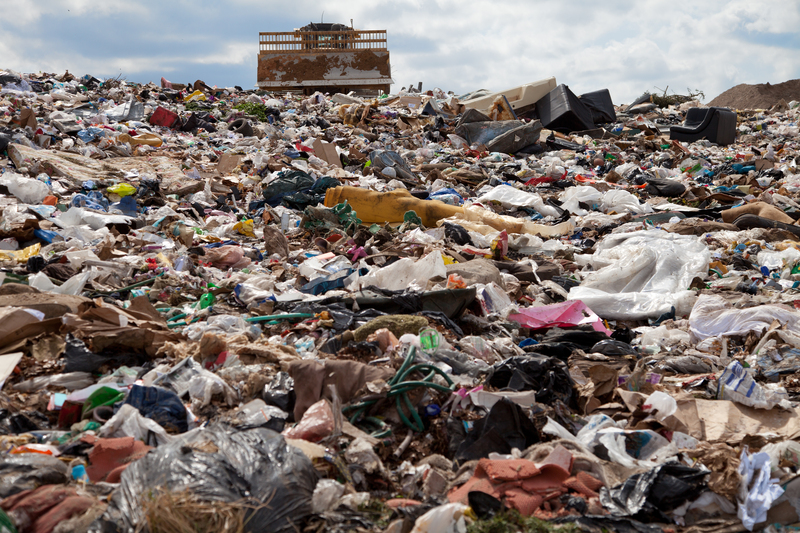
Understanding PPE Waste: Definition and Impact
Personal Protective Equipment (PPE) includes items designed to safeguard individuals from infectious agents and hazardous substances. Common types of PPE include:
- Disposable masks (surgical and N95)
- Gloves (nitrile, latex, vinyl)
- Face shields and goggles
- Gowns and coveralls
- Disposable shoe covers
During pandemics, natural disasters, and in clinical settings, PPE usage surges. Unfortunately, the improper disposal of these items has resulted in mounting environmental challenges. PPE waste, when not handled correctly, can pollute water bodies, harm wildlife, and spread infectious diseases. Therefore, implementing PPE waste management strategies that are both effective and environmentally friendly is imperative for communities and industries alike.
The Importance of Proper PPE Waste Management
Before diving into disposal techniques, it's essential to understand why PPE waste management is so vital. Here are some compelling reasons:
- Environmental Protection: Disposable PPE, made primarily from plastics and synthetic fibers, contributes to landfill accumulation and marine litter.
- Disease Prevention: Used PPE may contain infectious agents. Mishandled waste can facilitate the spread of viruses, bacteria, and other pathogens.
- Public Safety: PPE discarded in public places puts sanitation workers and communities at risk of accidental exposure.
- Regulatory Compliance: Governments and health organizations enforce laws to ensure safe PPE waste disposal. Non-compliance may result in penalties.
For all these reasons, adopting best practices in PPE waste disposal should be a top priority for businesses, healthcare providers, and individuals.
PPE Waste Streams: Segregation Is Key
1. Identify Different Types of PPE Waste
Not all PPE waste is created equal. For effective PPE waste management, it's crucial to differentiate between:
- Non-infectious PPE Waste: Used by the general public and not contaminated with biohazardous material (e.g., masks worn in public).
- Infectious PPE Waste: Worn by healthcare workers or in environments where contamination is likely (e.g., hospitals, quarantine centers).
2. Segregate Waste at Source
Segregation is the cornerstone of safe PPE waste handling. Follow these steps:
- Use Color-coded Bins: Allocate designated waste bins for infectious and non-infectious PPE. Color codes (often red for infectious and blue or black for general waste) help in easy identification.
- Clear Signage: Install signs to instruct on proper disposal, reducing cross-contamination risks.
- Separate Storage: Store medical and non-medical PPE waste in different locations before transportation to disposal facilities.
Techniques and Methods for PPE Waste Disposal
1. Incineration of PPE Waste
One of the most widely-used methods for biohazardous PPE disposal is incineration. High-temperature incinerators destroy pathogens and reduce waste volume.
- Advantages: Effectively destroys infectious agents and plastics, minimizing environmental risk.
- Disadvantages: Can release toxic gases and microplastics when not managed with modern emission controls.
Use certified facilities equipped with pollution control devices to mitigate environmental impact.
2. Autoclaving and Steam Sterilization
Autoclaving involves treating PPE waste with high-pressure steam, killing pathogens. This is a preferred method for hospital PPE waste disposal.
- Advantages: Environmentally friendly as it doesn't involve combustion; makes plastic waste safe for landfilling or further treatment.
- Limitations: Not all PPE (such as certain plastics) can withstand autoclaving temperatures; may need additional shredding post-treatment.
3. Chemical Disinfection
For some PPE waste, particularly in laboratory settings, chemical disinfection can neutralize infectious agents.
- Soak waste in approved disinfectant solutions (e.g., bleach) for a specified duration.
- Ensure chemicals used don't react dangerously with waste materials.
- After decontamination, further disposal (e.g., landfilling or incineration) may be required.
4. Landfilling (As a Last Resort)
Landfilling is the least preferred yet sometimes unavoidable option for PPE waste disposal. Only non-infectious, sterilized PPE should be landfilled. Use properly managed, lined landfills to prevent leeching of contaminants into the soil and groundwater.
5. Recycling and Reuse Opportunities
With rapid technological advancements, some PPE (mainly plastic-based items) can be recycled. Research has developed processes to convert PPE waste into building materials, fuels, and even road-paving products.
- Pilot recycling plants: Some countries have initiated pilot projects to recycle polypropylene masks and gowns.
- Corporate Initiatives: Large corporations partner with recyclers to turn used PPE into usable products.
However, only non-infectious and sterilized PPE can be considered for recycling to prevent biohazard risk.
Best Practices for PPE Waste Collection and Storage
1. Use of Secure, Leak-proof Bins
Always collect PPE waste in bags or bins that are:
- Durable and puncture-resistant
- Fitted with secure lids
- Clearly labeled with hazard warnings
2. Timely Collection and Transportation
- Schedule regular pick-ups to prevent overflow and reduce potential exposure to waste handlers.
- Train staff in safe handling and use of personal protection during waste management procedures.
3. On-site Pre-treatment
Healthcare facilities and some industries may conduct on-site pretreatment (e.g., disinfection or shredding) to minimize the volume and risk before final disposal.
Personal Protective Equipment Waste Disposal for Households
As the use of masks and gloves becomes common in domestic settings, households also need to follow PPE waste best practices.
- Wrap used PPE securely in plastic bags before placing in general waste bins.
- Label waste as "PPE" if possible, to alert waste handlers.
- Do not flush PPE down toilets or dispose in recycling bins unless specifically accepted by local recycling programs.
Simple household discipline can make a big difference in effective PPE waste management at the community level.
Challenges in PPE Waste Disposal
- Sheer Volume: The volume of disposable PPE used daily worldwide poses a logistical and environmental challenge.
- Lack of Awareness: Public education is required to prevent littering and improper disposal.
- Resource Constraints: Many regions lack infrastructure for safe collection and disposal.
Addressing these challenges requires a concerted effort from governments, businesses, and individuals through policy, innovation, and outreach.
Environmentally Sustainable Solutions for PPE Waste
1. Biodegradable PPE Alternatives
Manufacturers are now producing PPE from biodegradable materials like plant-based polymers and natural fibers. These products decompose naturally, offering a greener solution to the problem of waste accumulation.
2. Reusable PPE
Where feasible, switch from disposable to reusable, washable PPE to dramatically cut down on waste. For instance:
- Cloth face masks
- Reusable gowns and gloves (with proper sanitization)
3. Implement Extended Producer Responsibility (EPR)
Regulations requiring PPE producers to take responsibility for the end-of-life management of their products can significantly improve recycling rates and waste reduction.
Regulatory Guidance and Compliance for PPE Waste Management
Stay informed and comply with local, national, and international regulations regarding PPE waste disposal. Key organizations providing guidance include:
- World Health Organization (WHO): Offers detailed protocols for the safe management of PPE in healthcare.
- Centers for Disease Control and Prevention (CDC): Issues recommendations on handling infectious waste.
- Environmental Protection Agency (EPA): Provides guidelines for proper waste treatment and landfilling.

Steps to Develop a PPE Waste Management Plan
For businesses and healthcare institutions, a structured PPE waste management plan is crucial. Here's how to build one:
- Conduct a Waste Audit: Assess the type and volume of PPE waste generated.
- Define Segregation Protocols: Establish clear rules for separating infectious from non-infectious waste.
- Choose Disposal Methods: Match infrastructure and regulations with the best available disposal solutions.
- Train Personnel: Educate staff on safe handling, storage, and emergency protocols.
- Monitor Compliance: Regularly review procedures and provide training updates.
Conclusion: The Future of PPE Waste Disposal
The unprecedented rise in PPE use has created daunting challenges for waste management systems globally. However, by understanding the importance of safe PPE waste disposal, adopting segregation at source, using appropriate disposal technologies, and moving toward sustainable PPE alternatives, we can protect both public health and the planet.
Whether you are a healthcare provider, business owner, or member of the general public, using effective strategies for PPE waste disposal is not just a legal requirement, but a social and ethical responsibility. Implement best practices today to help ensure a cleaner, safer tomorrow.
