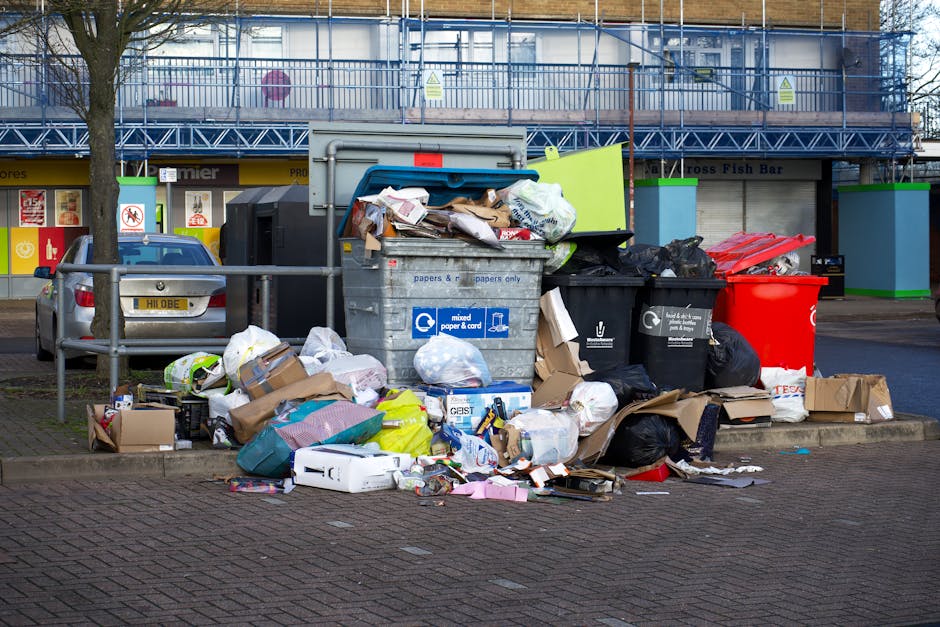
Bulky rubbish removal for Pinner Road homes HA5

If you live on or near Pinner Road and you've got a sofa blocking the hallway, an old wardrobe taking over the spare room, or a pile of awkward bits that just won't fit into the car, bulky rubbish removal for Pinner Road homes HA5 is probably exactly what you need. It sounds straightforward, and in a lot of cases it is - but the difference between a smooth clearance and a stressful one usually comes down to planning, timing, and choosing the right removal method.
In this guide, we'll walk through how bulky item clearance works, what to expect, which mistakes cause most headaches, and how to decide whether a house clearance style service, a dedicated furniture collection, or a wider waste removal approach makes the most sense. We'll keep it practical. No fluff. Just the sort of advice that helps when you are standing in the front room wondering, "Right - how do I get this thing out of here?"
You'll also find a comparison table, a checklist, and a realistic example based on the kind of home-clearance situations people often face around HA5. Let's face it, bulky rubbish is never glamorous, but getting rid of it properly can make a home feel lighter almost instantly.
Table of Contents
- Why bulky rubbish removal matters
- How the removal process works
- Key benefits and practical advantages
- Who this service is for
- Step-by-step guidance
- Expert tips for better results
- Common mistakes to avoid
- Tools, resources and recommendations
- Law, compliance and best practice
- Options and comparison table
- Case study or real-world example
- Practical checklist
- Conclusion
- Frequently asked questions
Why Bulky rubbish removal for Pinner Road homes HA5 Matters
Bulky rubbish is different from everyday household waste. A broken bed frame, a heavy chest of drawers, a fridge freezer, garden furniture, or a sagging mattress takes up space quickly and can be awkward to move safely. In a typical home along Pinner Road, the problem is often less about volume and more about access: narrow hallways, stair turns, parked cars outside, shared driveways, and time pressure.
That is why proper bulky rubbish removal matters. It reduces clutter, protects your property from scratches and damage, and helps you avoid the physical strain of trying to drag awkward items to the kerb. It also matters from a waste-handling perspective. Bulky household items often contain mixed materials - wood, metal, plastics, fabrics, foam, electrical components - so sorting them correctly is not always as simple as it looks.
For some homes, bulky clearance is part of a wider life admin moment. Maybe you're preparing for a move. Maybe you're dealing with an inherited property. Maybe the garage has become a storage cave. We see that all the time. Truth be told, bulky waste builds up quietly until one day it suddenly feels urgent.
Expert summary: If an item is large, heavy, awkward, or likely to need more than one person to move, treat it as a bulky removal job rather than a simple bin-day issue. That small decision usually saves time, effort, and a fair bit of frustration.
How Bulky rubbish removal for Pinner Road homes HA5 Works
Most bulky rubbish collections follow a simple process, though the details vary depending on the items, access, and how much you need taken away. A reliable clearance service will usually start with a description of what you want removed, then confirm the type of load, the access conditions, and any special handling needs.
In practical terms, this often means asking a few sensible questions. Is the item upstairs? Is there a lift? Does it need dismantling? Is it a single sofa or a whole room's worth of furniture? Are there any hazardous components, such as a refrigerator gas unit or damaged electrical item? Small details matter more than most people expect.
For example, a two-person team can usually handle a straightforward sofa collection easily enough. But if the sofa has to be taken down a tight stairwell, or if it has to be cut into sections, the job becomes slower and more labour-intensive. That does not mean it is difficult - just that the removal method has to match the property.
A clean, well-run bulky rubbish removal job usually goes like this:
- You describe the items that need removing.
- The team confirms what can be taken and how access works.
- A price or estimate is agreed before the job starts.
- The crew arrives, checks access, and removes the items safely.
- Usable or recyclable materials are separated where possible.
- The area is tidied so you are not left with broken bits and dust in the corner.
It sounds simple because, when done properly, it should be. If you need a service that fits into a wider home clearance, you may also want to look at home clearance or house clearance options, especially if the bulky items are part of a larger clear-out.
Key Benefits and Practical Advantages
The biggest advantage is obvious: your space comes back. But there are a few other benefits that are easy to underestimate until you actually have them.
- Less stress: You do not have to figure out where to borrow a van, how to lift the item, or who can help you on a rainy Tuesday evening.
- Safer handling: Heavy items can be awkward in corridors and on stairs, and most injuries happen during the "just one more push" moment.
- Better property care: Professional removal reduces the chance of gouged walls, chipped skirting boards, or scuffed floors.
- Cleaner finish: A proper service normally leaves the space neat, not half-done.
- More responsible disposal: Items can be sorted for recycling or reuse where suitable rather than simply dumped.
There is also a practical rhythm benefit. Once the bulky items are gone, the rest of the room becomes easier to deal with. You notice the walls again. Light gets in differently. The room suddenly has options. A bedroom can become a bedroom again, instead of a dumping ground with a bed in it.
For people comparing removal methods, the value is often in convenience rather than raw price. A skip might suit some jobs, but if you do not want to load heavy items yourself, then a collection-based option can be the more sensible route. If you are trying to understand what mixed waste can be placed into a container, what can go in a skip is a useful reference point for thinking through the practical side.
Who This Is For and When It Makes Sense
This kind of service suits a lot more people than you might think. It is not only for big moves or major renovations. Often it is for ordinary homes dealing with ordinary mess that has just become a bit too large to ignore.
You may need bulky rubbish removal if you are:
- replacing old furniture and need the old pieces gone fast
- clearing a garage, loft, or spare room
- preparing a property for sale or letting
- dealing with inherited household contents
- getting rid of damaged appliances
- upgrading a mattress, sofa, or bed base
- finishing a small refurbishment and want the leftover material removed
It also makes sense if you have limited lifting ability, no suitable vehicle, or simply no appetite for dragging a wardrobe down the stairs yourself. Quite honestly, many people start with the idea that they will do it "at some point this weekend," and then a month later the item is still there. No judgement - it happens.
Some jobs fit neatly into furniture-specific services, such as furniture clearance or furniture disposal. Others are broader, especially when the bulky item is only one part of a bigger sort-out. If you're clearing a bedroom suite, for instance, mattress and sofa disposal may be the most direct match.
Step-by-Step Guidance
If you want the process to go smoothly, a little preparation goes a long way. Here is the simplest way to handle it without overthinking the whole thing.
1. Identify every item you want removed
Walk through the rooms and write down what is going. Include the obvious items, but also the smaller bits that often get forgotten - a broken stool, a bedside cabinet, old shelving, a disassembled desk, or a damaged appliance hidden in the utility area.
2. Separate bulky rubbish from reusable items
This avoids confusion on the day. If a piece of furniture is going to charity, storage, or another room, keep it apart from the items heading out. Mixed piles slow everything down. A small label or a couple of tape notes can help more than you'd expect.
3. Check access before the team arrives
Open gates, clear hallways, move fragile items, and make sure the route to the exit is usable. If a sofa is too wide for the front door unless it is tipped at an angle, say so in advance. A five-minute heads-up can save twenty minutes on-site.
4. Mention special items early
Fridges, freezers, and some electricals may require specific handling. Broken glass, liquids, or potentially hazardous materials should never be mixed in with ordinary bulky waste. If you have concerns, ask before the collection. For appliance-specific work, the page on fridge and appliance removal is worth a look.
5. Confirm how the price is structured
Good pricing should be clear. Usually, bulky removal pricing depends on the amount of space the waste takes up, how hard it is to access, and whether the load contains anything that needs special disposal. You want clarity before anything is lifted, not after the van is already half full.
6. Stay available at the start of the job
If the team needs a quick check on what stays and what goes, being reachable helps. You do not need to hover over everything, but it is useful to be around for the first few minutes. Then you can get out of the way and let the work happen. Much better for everyone.
7. Do a final walk-through
Before the crew leaves, look over the cleared area. Check corners, behind doors, and under stair storage. That is usually where one forgotten chair leg or a loose cushion likes to hide.
Expert Tips for Better Results
A few small habits can make bulky rubbish removal feel much easier. These are the things that save time and reduce confusion in real homes, not just on paper.
- Measure awkward items first. If it looks tight through the stairwell, it probably is.
- Photograph the load. A couple of clear photos help with planning and pricing, especially for mixed items.
- Keep screws and fittings together. If you have dismantled furniture, put the fixings in a bag and tape it to the item.
- Protect your flooring. If the route is delicate, lay down temporary coverings or just warn the team.
- Group similar items. Wooden furniture, soft furnishings, and appliances are easier to sort when grouped clearly.
One thing people often forget: bulky waste is not always bulky in just one way. A pile of broken flat-pack furniture may be light enough individually, but once it is in a stack, it can become awkward and unstable. That is where a little pre-sorting pays off.
If you are dealing with a garage or loft, planning matters even more. Boxes tend to accumulate around the large pieces, and it is easy to uncover more than you expected. Services like garage clearance and loft clearance often solve that wider clutter problem in one go.
Common Mistakes to Avoid
Most problems with bulky rubbish removal are not dramatic. They are just small oversights that turn into delays or extra cost. Annoying, yes. Avoidable, also yes.
- Leaving everything until the day of collection. Sorting under pressure usually leads to missed items.
- Assuming every item can go together. Appliances, mixed waste, and hazardous items may need separate handling.
- Not checking access. A job that looks simple from the front garden can become awkward once stairs and tight corners are involved.
- Forgetting to mention dismantling. If a bed frame or wardrobe needs to be broken down, say so early.
- Using the wrong disposal route. Not every bulky item belongs in the same clearance stream.
There is also the common mistake of underestimating how much emotional weight is attached to household items. Sounds a bit dramatic, maybe. But when you are clearing a room that's been untouched for years, the items are not just "things." Sometimes they are tied to a move, a loss, or a long delay in making a decision. Taking it one room at a time helps.
A quick tip: if you are torn between a household clearance and a room-specific furniture collection, compare the scale of the job honestly. If it is only a couple of bulky pieces, a focused collection may be enough. If the space has tipped into clutter, a broader flat clearance or furniture disposal approach may be more efficient.
Tools, Resources and Recommendations
You do not need specialist tools to prepare for bulky rubbish removal, but a few basics make the process smoother.
- Strong bin bags or rubble sacks: useful for smaller loose bits around the main items.
- Moving blankets or old sheets: helpful when protecting floors or wrapped furniture edges.
- Basic hand tools: a screwdriver or Allen key can help if furniture needs dismantling.
- Tape and labels: ideal for marking keep, remove, donate, and recycle piles.
- Phone camera: surprisingly helpful for documenting awkward items or access points.
From a service-selection point of view, it helps to compare your needs against the type of clearance you actually want. For example, a room full of old furniture is not the same as builders' rubble or office archive waste. Different waste streams need different handling. If you are clearing after work on the property, builders waste clearance may be more appropriate than a standard bulky collection.
Likewise, if your project involves office contents, shredding, or mixed workplace waste, the more relevant options are office clearance and confidential shredding. The right match saves time and usually produces a cleaner outcome.
Law, Compliance, Standards, or Best Practice
Bulky rubbish removal in the UK should be handled responsibly, with attention to safe lifting, proper sorting, and lawful disposal. You do not need to become a compliance expert to book a collection, but it helps to understand the basics.
As a homeowner, you remain responsible for choosing a legitimate waste carrier and making sure your rubbish is disposed of properly. Best practice is to ask how waste is handled, whether it is sorted for recycling where possible, and how items that cannot be reused are processed. That is standard due diligence, and it is fair to ask.
For households, the main practical points are:
- do not leave bulky waste on the street without understanding local collection rules
- do not mix ordinary bulky items with hazardous waste
- keep electrical items, fridges, and chemical products separate if they need different handling
- use services that operate with clear safety and insurance practices
If safety and process matter to you - and honestly, they should - it is worth looking at pages like health and safety policy, insurance and safety, and recycling and sustainability. Those pages help set expectations for responsible service without turning the job into a bureaucratic headache.
For items that may be classed as hazardous or require extra caution, use the right disposal route. Never guess. If something smells unusual, leaks, or contains unknown material, stop and ask first. Better safe than sorry, as they say - and on waste jobs, that old line still earns its keep.
Options, Methods, or Comparison Table
There is more than one way to tackle bulky rubbish. The best choice depends on how many items you have, whether you can lift them, and how quickly you need the space back.
| Method | Best for | Pros | Things to watch |
|---|---|---|---|
| Bulky item collection | Single items or a modest load of large household waste | Fast, convenient, minimal lifting for the homeowner | Price and access can vary depending on the items |
| Furniture-specific disposal | Sofas, wardrobes, tables, chairs, beds | Clear, item-focused, useful for room refreshes | May not suit mixed waste or non-furniture clutter |
| Full home clearance | Whole-room or whole-property clear-outs | Good for inherited properties, moves, and major decluttering | Overkill for one or two items |
| Skip hire | DIY loading, longer projects, mixed non-hazardous waste | Useful if you want time to fill at your pace | You must do the lifting and check what can go in it |
For many Pinner Road homes, the decision comes down to effort versus convenience. If you can move the item and you want time, a skip may work. If you want the item gone without lifting it yourself, collection is usually the calmer option. Simple really.
If you are still weighing up the skip route, have a look at what can go in a skip before deciding. It can clarify whether your bulky waste is genuinely suitable, especially if the load includes mixed materials.
Case Study or Real-World Example
Here is a realistic example. A family on Pinner Road had a three-piece sofa set, a broken wardrobe, and an old fridge freezer sitting in the dining room after a recent room shuffle. The items had been moved there "temporarily," which is one of those words that can quietly mean months. The hallway was tight, the front path had limited space, and the household did not want to risk damaging the paintwork or blocking access for the neighbours.
They started by grouping the items by type: furniture in one corner, appliance in another. A couple of photos helped clarify access and the item list. The team arrived, checked the route, and removed the furniture first, then the appliance under the correct handling process. The room was cleared in one visit, and the family used the space that evening to set up a much smaller dining table. You could almost hear the relief, to be fair.
What made that job work was not luck. It was the simple prep: clear description, honest access notes, and separating the awkward appliance from the soft furnishings. The result was quicker, tidier, and far less stressful than trying to do it in stages over a few weekends.
Practical Checklist
Use this before booking or on the morning of collection. It keeps things tidy and helps avoid the usual last-minute scramble.
- List every bulky item that needs removing.
- Separate keep, donate, recycle, and remove piles.
- Check if anything needs dismantling.
- Make the route to the door clear.
- Protect floors or mention fragile surfaces.
- Flag fridges, freezers, or other special items early.
- Confirm how pricing is structured before work starts.
- Keep pets and children away from the working area.
- Do a final room check before the team leaves.
- Ask for clarity if anything seems uncertain - it usually pays off.
If the job is part of a bigger sort-out, it can also help to think about whether you need garage clearance, loft clearance, or a broader home clearance service rather than focusing only on the bulky pieces.
Conclusion
Bulky rubbish removal for Pinner Road homes HA5 is really about getting a difficult job handled in the least stressful way. When the items are large, heavy, or awkward, a careful collection can save time, protect your home, and make the whole property feel workable again. The key is to plan a little, be honest about access, and choose the clearance method that suits the job rather than forcing the job into the wrong method.
Whether you are clearing one stubborn sofa or dealing with a room full of furniture, the smartest approach is usually the simplest one: sort what can be sorted, separate special items, and get the right help before the clutter becomes a bigger problem. And if the room feels overwhelming? Start with one item. Just one. That is often enough to get the momentum going.
Get a free quote today and see how much you can save.
For more about the people behind the service, you can also read about us and review the practical details on pricing and quotes and payment and security. If you need to get in touch about a specific clearance, use the site's contact page when you're ready. Simple, straightforward, done.
Frequently Asked Questions
What counts as bulky rubbish in a home?
Bulky rubbish usually means large or awkward household items that are too big for normal bin disposal. Sofas, wardrobes, mattresses, tables, cabinets, and some appliances are common examples.
Can bulky rubbish be removed from upstairs rooms?
Yes, in many cases it can. The main factors are access, item size, and how much dismantling may be needed. Stairs, tight corners, and narrow landings can make a difference, so it helps to mention them early.
Do I need to dismantle furniture before collection?
Not always. Some items can be taken as they are, while others are easier to remove in sections. If you can dismantle safely, great. If not, say so and let the collection team advise.
Is bulky rubbish removal better than hiring a skip?
It depends on your job. If you want a team to do the lifting, collection is often easier. If you want time to load items yourself and have plenty of non-hazardous waste, a skip might make sense.
Can old mattresses and sofas be collected together?
Yes, often they can. These items are commonly handled as part of furniture or mattress disposal services, though the exact process depends on the condition and volume of the load.
What should I do with a fridge or freezer?
Fridges and freezers should be handled carefully because they can contain components that need special treatment. Keep them separate from ordinary furniture and mention them when arranging collection.
How do I prepare my home before the crew arrives?
Clear access routes, identify everything that is going, and separate any items you want to keep. A quick walk-through before the team arrives usually saves time later.
Will bulky rubbish removal damage my floors or walls?
It should not if the job is handled properly, but awkward items can be risky in tight spaces. That is why it helps to mention stairs, fragile flooring, or narrow hallways in advance.
What happens to the items after collection?
That depends on the item and its condition. Some materials may be sorted for recycling, while others may need disposal. Responsible services aim to separate suitable materials where possible.
Can I include garden waste with bulky household rubbish?
Sometimes, but not always in the same load. Garden cuttings, soil, furniture, and broken fencing can fall into different waste streams. If you have mixed waste, ask which service fits best.
How long does a typical bulky clearance take?
There is no single answer because access, item size, and the amount to remove all matter. A small collection may be quick, while a bigger home clearance can take longer. The best estimate comes from a clear description and a few photos.
What if I am clearing a property after a move or bereavement?
Then it is worth taking a gentler, more organised approach. These jobs can feel personal. Many people find it easier to split the work into rooms or item groups rather than trying to finish everything at once.